Modern manufacturing moves fast. Production lines today must handle large volumes, maintain precision, and minimize downtime. Even the smallest inefficiency in material handling can slow an entire production process. That’s why many manufacturers invest in custom feeding systems to improve efficiency and keep operations running smoothly.
Whether you are producing packaging materials, printing components, industrial parts, or electronic products, the way materials move through your equipment matters. A well-designed feeding solution can reduce manual labor, prevent errors, and significantly increase productivity.
In this guide, we’ll explore how custom feeding systems, also known as automated material feeding systems, industrial feeding solutions, and precision part feeding systems, help manufacturers optimize high-volume production lines.
What Are Custom Feeding Systems?
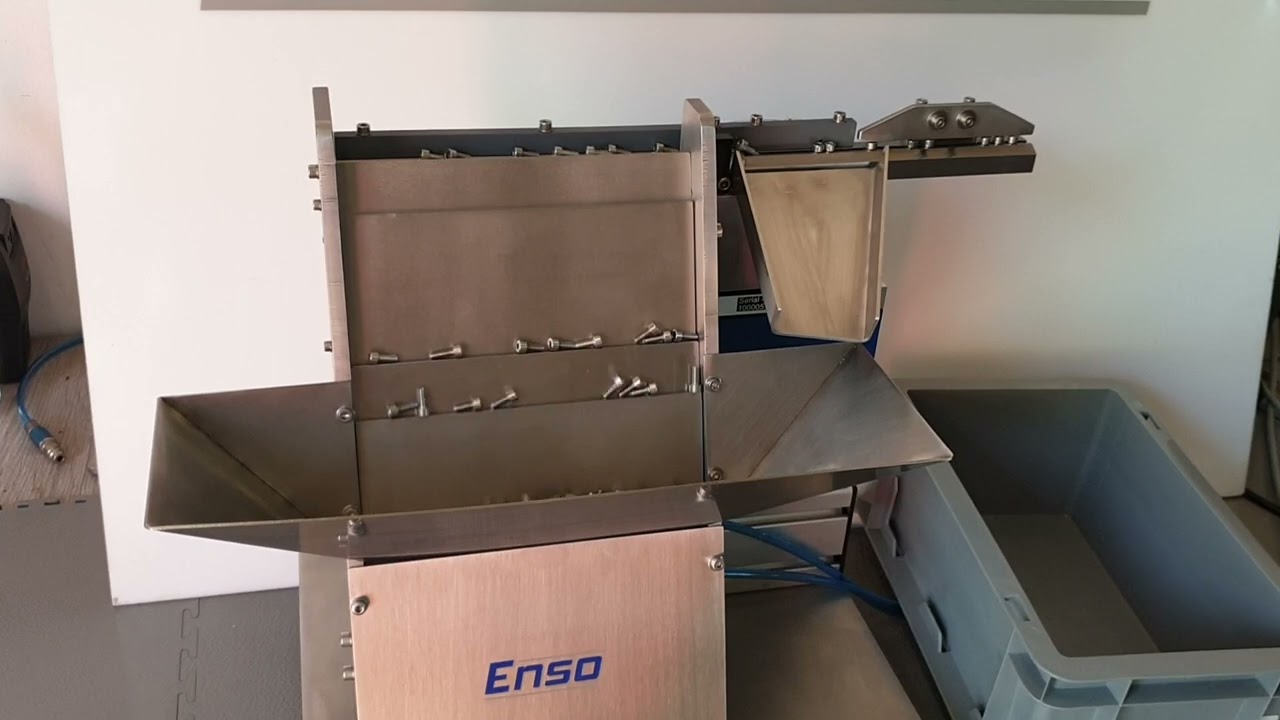
A custom feeding system is an engineered solution designed to automatically supply materials, parts, or components to machines in a controlled and consistent manner. These systems are typically designed for specific production requirements and integrated directly into existing manufacturing equipment.
Unlike generic feeders, custom solutions are built specifically for the size, shape, speed, and handling requirements of your materials.
Industries commonly using these systems include:
- Printing and packaging
- Automotive manufacturing
- Electronics assembly
- Pharmaceutical production
- Food processing
- Industrial equipment manufacturing
Companies that specialize in custom feeding systems manufacturing focus on designing equipment that improves material flow while maintaining accuracy and speed.
Why High-Volume Production Lines Need Better Feeding Systems
High-volume production environments require efficiency at every stage. When materials are not fed properly into machines, several problems can occur:
- Production delays
- Misaligned materials
- Equipment jams
- Increased labor costs
- Reduced product quality
A reliable automated feeding system eliminates many of these issues by ensuring that materials arrive exactly when and where they are needed.
Instead of relying on manual loading or inconsistent supply methods, automated feeders deliver a continuous and controlled flow of materials into the production line.
Key Benefits of Custom Feeding Systems
1. Increased Production Speed
One of the biggest advantages of installing custom feeding systems is the ability to significantly increase production speed. When materials are delivered consistently and automatically, machines can operate at their full capacity without interruptions.
Automated feeders can supply materials continuously, allowing production equipment to run for longer periods without stopping.
This leads to:
- Higher output rates
- Reduced downtime
- Improved operational efficiency
Many manufacturers rely on automated production feeding systems to maintain fast-paced operations in competitive markets.
2. Improved Accuracy and Precision
Precision is critical in manufacturing. Even minor variations in material placement can lead to product defects or machine errors.
A well-designed precision feeding system ensures that every component is delivered in the correct orientation and position.
These systems often include:
- Sensors that detect part alignment
- Controlled delivery mechanisms
- Adjustable feed speeds
With improved accuracy, manufacturers can reduce waste and maintain consistent product quality across large production volumes.
3. Reduced Manual Labor
Manual feeding processes require workers to load materials into machines repeatedly. This can be time-consuming and physically demanding.
By implementing automated material feeding systems, companies can reduce the need for constant manual handling.
Automation allows employees to focus on more skilled tasks such as monitoring production, maintaining equipment, and improving processes.
This shift not only improves productivity but also helps create a safer workplace.
4. Better Equipment Protection
Machines perform best when materials are delivered in a controlled and predictable manner. Irregular feeding can cause jams, misfeeds, and unnecessary wear on machinery.
Custom solutions are designed specifically for your production environment, helping protect expensive equipment.
For example, industrial feeding systems can include features like:
- Anti-jam technology
- Speed synchronization
- Controlled material flow
These features ensure that machines receive materials at the correct rate, preventing damage and reducing maintenance costs.
5. Seamless Integration With Existing Production Lines
One major advantage of working with companies that specialize in custom feeding systems is the ability to integrate new solutions with existing equipment.
Rather than replacing an entire production line, manufacturers can upgrade their current setup with a feeding system tailored to their needs.
A well-designed feeder can be integrated with:
- Printing machines
- Packaging systems
- Assembly equipment
- Conveyors
- Inspection stations
This flexibility allows businesses to modernize operations without major disruptions.
How Custom Feeding Systems Support Industrial Printing
In industries like printing and packaging, feeding systems play a critical role in maintaining print accuracy and production speed.
For example, in operations that rely on printing plates, labels, or packaging materials, feeding equipment must deliver materials precisely to avoid misalignment.
A reliable automated feeding system ensures that materials move smoothly into printing machines, helping maintain consistent print quality.
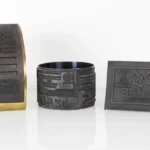
Businesses working with custom printing plates and other specialized printing components often rely on advanced feeding technology to maintain precision in high-speed environments.
These systems help ensure that materials are fed evenly, reducing the risk of printing errors and improving overall production efficiency.
Custom Feeding Systems and Long-Term Cost Savings
While custom automation solutions may require an initial investment, they often lead to significant cost savings over time.
Companies that implement automated feeding solutions typically experience:
- Lower labor costs
- Reduced production errors
- Less material waste
- Fewer machine repairs
- Increased production capacity
When production runs smoothly and consistently, businesses can complete orders faster and serve more customers.
This efficiency directly contributes to long-term profitability.
Choosing the Right Custom Feeding System Provider
Not all feeding systems are the same. Choosing the right partner is critical for achieving the best results.
When evaluating suppliers, businesses should consider companies with experience in industrial automation equipment, precision manufacturing systems, and custom production solutions.
A trusted provider should offer:
- Engineering expertise
- Customized system design
- High-quality components
- Reliable technical support
- Integration assistance
Working with experienced manufacturers ensures that your custom feeding system is designed specifically for your production environment.
The Future of Automated Feeding Technology
Manufacturing technology continues to evolve, and feeding systems are becoming smarter and more efficient.
Modern automated feeding systems now include advanced features such as:
- Smart sensors that detect material positioning
- Real-time monitoring of feed performance
- Automated adjustments for different materials
- Integration with digital production systems
These innovations help manufacturers maintain consistent quality while improving efficiency across the entire production process.
As industries continue to embrace automation, custom feeding solutions will play an even larger role in optimizing high-volume manufacturing operations.
Final Thoughts
In high-volume manufacturing, efficiency and reliability are essential. Even small improvements in material handling can significantly impact production speed and product quality.
By investing in custom feeding systems, businesses can streamline their operations, reduce manual labor, and maintain consistent production performance.
From automated material feeding systems to precision industrial feeders, these solutions help manufacturers stay competitive in fast-moving industries.
For companies focused on scaling production while maintaining quality, implementing the right feeding technology is not just an upgrade it’s a strategic advantage.
When designed correctly, custom feeding systems become the backbone of efficient, high-volume production lines.