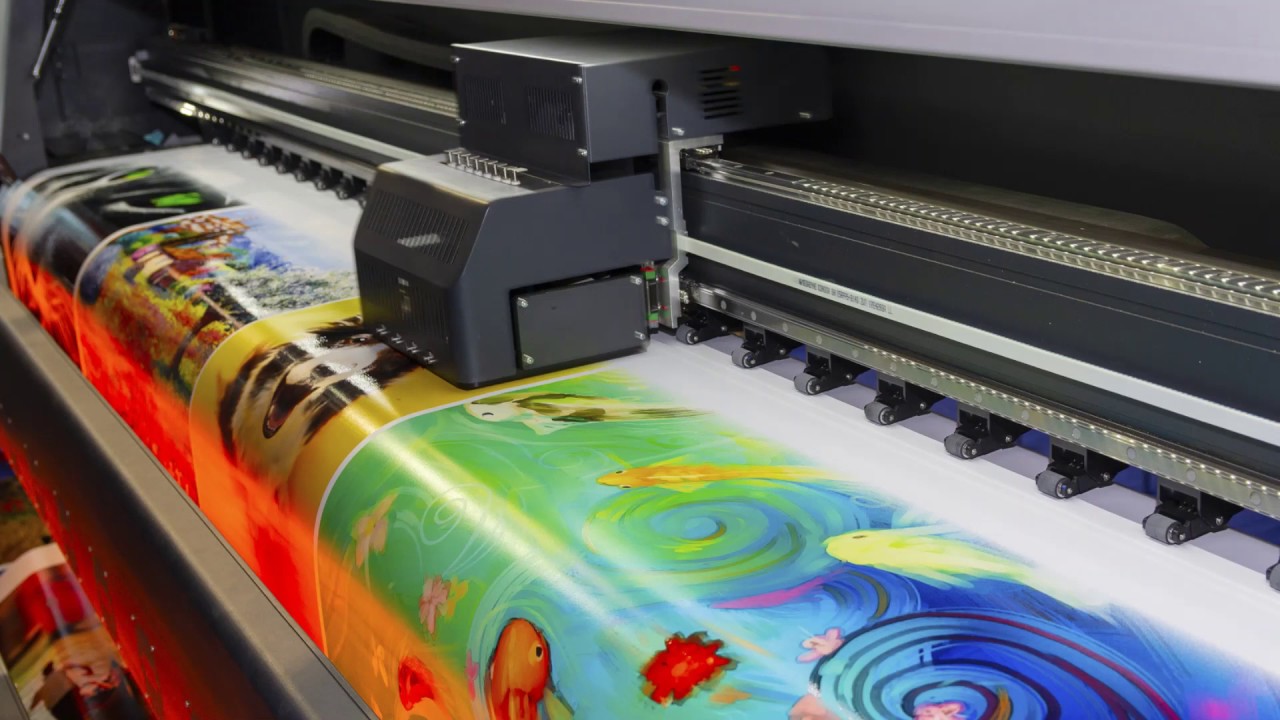
Custom printing plates help make big printing jobs easy and fast. If you see a magazine, food box, or label on a bottle, it was likely made with a custom plate. These plates help move words and pictures from a design onto paper, plastic, or other surfaces.
Let’s take a closer look at what they are, how they work, and why they matter.
What Is a Custom Printing Plate?
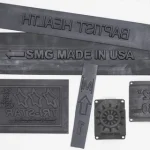
A custom printing plate is a thin sheet that holds a design. The design is made just for one job. It may have a logo, picture, or text. The plate puts ink on the printing surface, like paper or plastic.
Plates can be made from metal, rubber, or plastic. Each type is used for different kinds of printing.
How Do Custom Printing Plates Work?
Here’s how they work in a few steps:
- A design is made on a computer.
- The design is sent to a machine that makes the plate.
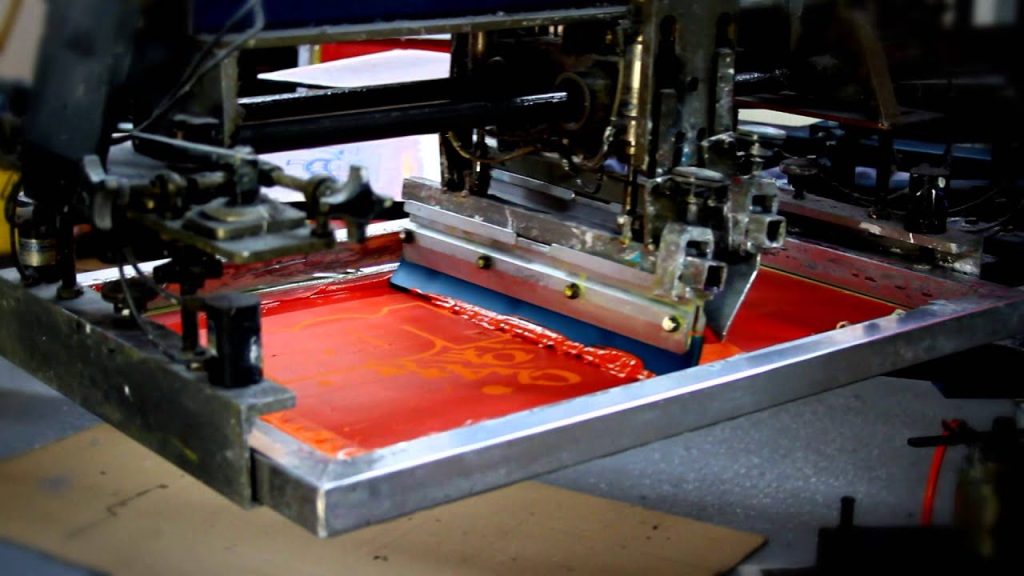
- The plate gets the image on it, kind of like a stamp.
- The plate is put into a printing press.
- The plate rolls ink onto the paper or material.
- The same plate can be used again and again for the same design.
Why Are Custom Printing Plates Used?
These plates are used for big print jobs. They are best when you need to print many copies fast and with the same look. They make the job smooth and cost less over time.
Types of Custom Printing Plates
There are a few types of plates:
- Offset Plates – Used for books, newspapers, and flyers.
- Flexo Plates – Great for packaging, like bags and boxes.
- Gravure Plates – Used for long jobs with photos, like magazines.
- Letterpress Plates – Good for fine prints and raised ink.
Each plate type has its own use. It depends on the job, material, and look you want.
What Are They Made From?
Custom plates can be made from:
- Aluminum – Strong and long-lasting.
- Rubber – Flexible and easy to shape.
- Plastic or Polymer – Good for fast jobs.
The right plate depends on what you are printing and how many copies you need.
Where Are Custom Printing Plates Used?
They are used in many places:
- Boxes and Labels – Like cereal boxes or shampoo bottles.
- Books and Magazines – Any printed paper you read.
- Flyers and Posters – Ads and signs in stores.
- Food Packaging – Wrappers, bags, and cans.
Big businesses use them to keep printing fast, neat, and low-cost.
Benefits of Custom Printing Plates
Here’s why they are helpful:
- Fast Printing – Once set up, they print quickly.
- Same Look Every Time – Each print looks just like the last one.
- Good for Big Jobs – Saves money when printing thousands of items.
- High Quality – Clean lines and sharp colors.
Things to Keep in Mind
- Setup Time – It takes time to make the plate.
- Cost Upfront – Making a plate costs more at first.
- Not Great for One-Time Prints – Better for repeat jobs.
- Plates Wear Out – After a while, they need to be replaced.
New Ideas and Eco-Friendly Choices
Now, some plates are made in cleaner ways. New tools can make plates faster. Some use less waste. Others use safer chemicals. These updates help the planet and lower costs.
Final Thoughts
Custom printing plates are a big part of how we print things today. They help make printing fast, clear, and cheap when you need lots of copies. If you print often, they can save you time and money. They’re simple tools that do a big job behind the scenes.